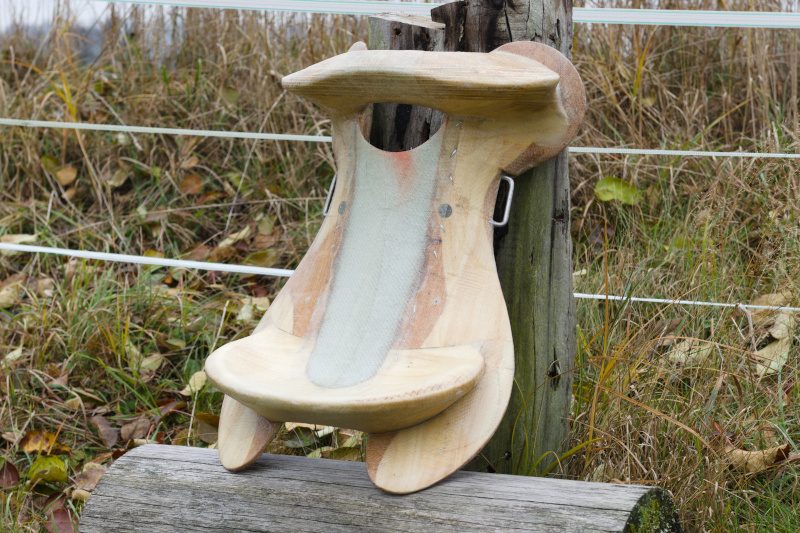
Saddletree for Tactical (Police) Saddle
A prototype saddletree designed for mounted police officers – a heavy rider, a robust horse and tactical duty gear that must never get in the way.
New Prototype
Tactical Saddletree
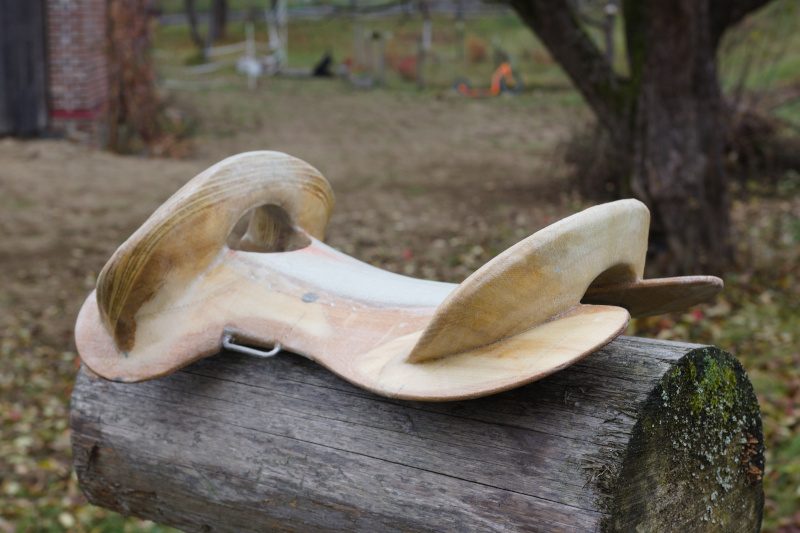
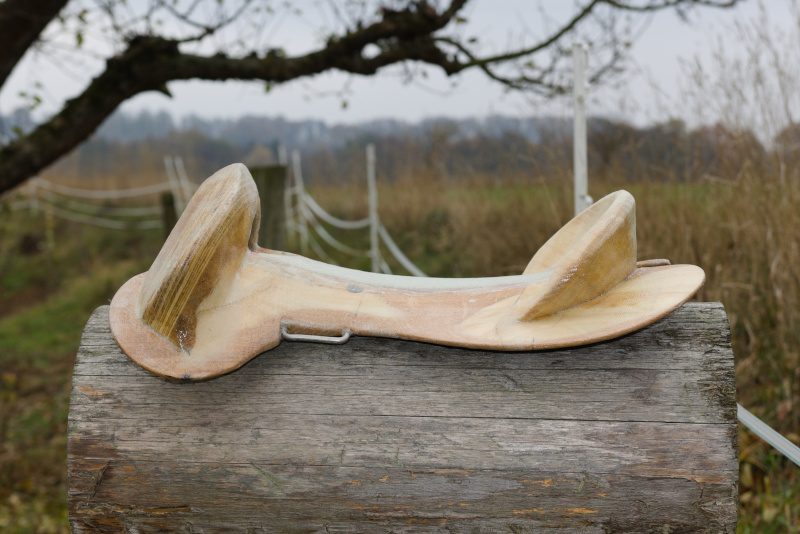
I have noticed that in recent years, police forces are increasingly deploying mounted units in active duty – whether as routine patrols or specialized units for direct physical confrontation. However, the tactical police saddle has not seen any continuous development throughout history. While we have many types of saddles for military, sport, and ranch work, there are several critical reasons why we cannot directly adopt any of these traditional designs.
Equestrian sport generally prefers lighter riders and lean horses. For the needs of historical armies, the main factors were mass unification and low cost. On the other hand, working western saddles were adapted to ranch work, which is completely different from law enforcement duties.
A mounted police officer goes against all these traditional directions. As a police officer, you typically prefer a well-built, heavy-set individual who commands authority (without, of course, excluding female officers). Consequently, you need a robust, heavy horse capable of carrying a total load of 110–120 kg in the saddle. On top of that, the officer carries heavy tactical duty gear both on their body and attached to the saddle itself.
A saddle for these purposes must provide maximum close-contact, assist in maintaining rider stability during high-stress situations, and yet its shape must never interfere with the duty belt or tactical gear – especially when there is a need to mount or dismount quickly. If you picture a patrolling or intervening police officer in action, it will come as no surprise that such a saddle is functionally strikingly similar to that of a medieval knight. From my perspective, their roles are completely comparable.
Based on a thorough review of the requirements and types of saddles that police officers around the world ride today, I have formed a clear point of view. Following this vision, I have now built a prototype of a tactical saddle tree in my workshop.
Construction and Respect for Back Dynamics
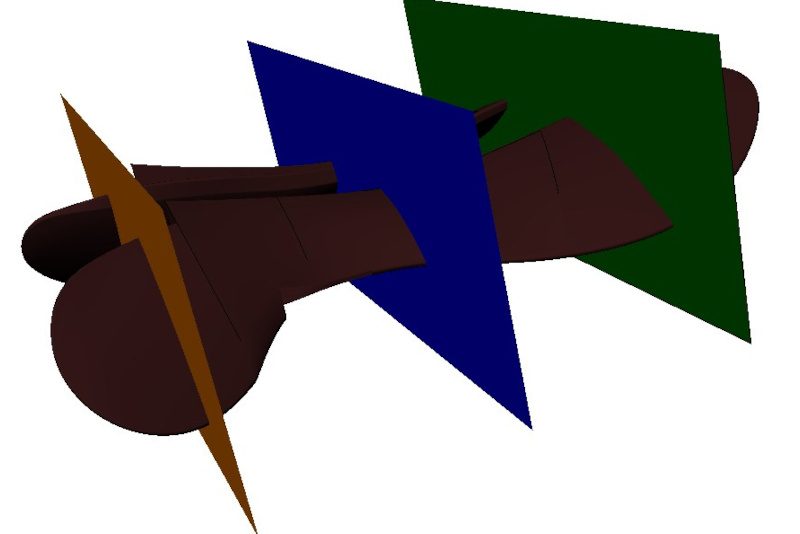
At its core, the concept is based on western saddle construction. The bars, as with all my saddle trees, are maximally adapted to the actual anatomical shape of the horse's back. Most traditional trees feature bars that change their angle from front to back in a smooth, simple twist. However, a horse's back widens the most precisely in the middle section of the saddle, and towards the rear, the angle narrows slightly again. In traditional tree construction, this causes the saddle to stand on its edges in the middle section, which often leads to rocking.
A police horse is not selected based on a flawless show conformation just to fit a standard catalog saddle. It must be powerful and possess the right disposition. Therefore, there is no room for unification. My workshop has never accepted standardized production. From the very beginning, we have adapted to European conditions and the diversity of horses ridden here and around the world. Custom-building saddle trees to fit the specific requirements of various equine backs is what we consider an absolute craftsmanship standard.
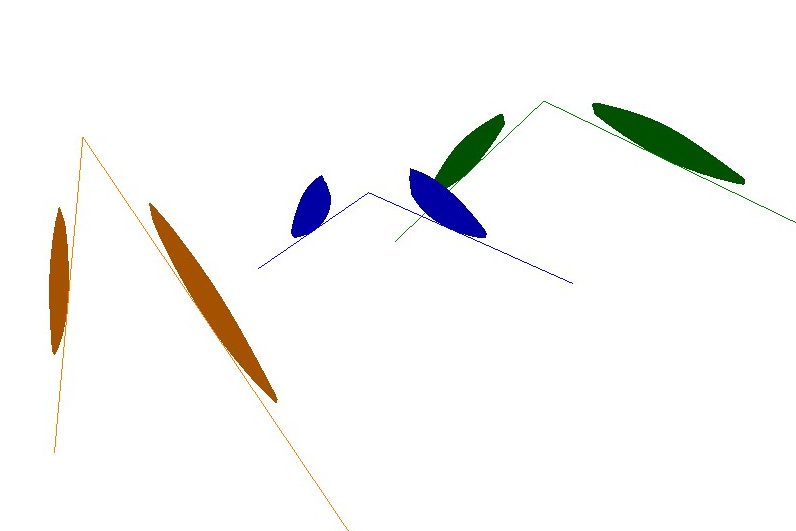
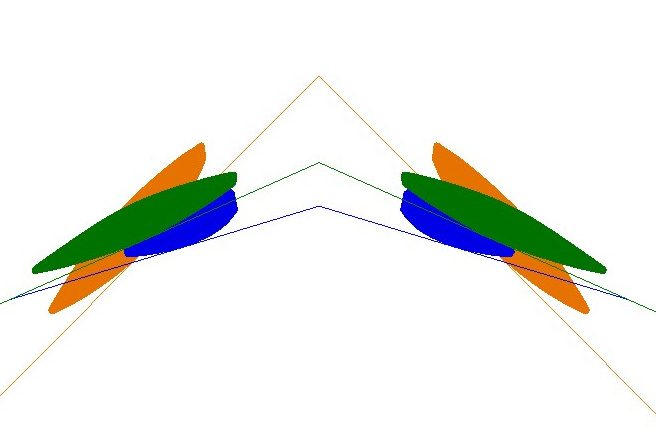
Technical Specifications of the Prototype
- Size: In terms of rider seat space, it corresponds to a western size 16". For the horse, it is designed with a front angle of 98° and a rear angle of 141° (dimensions suited for beefier horses, which are quite common even among modern Quarter Horses today).
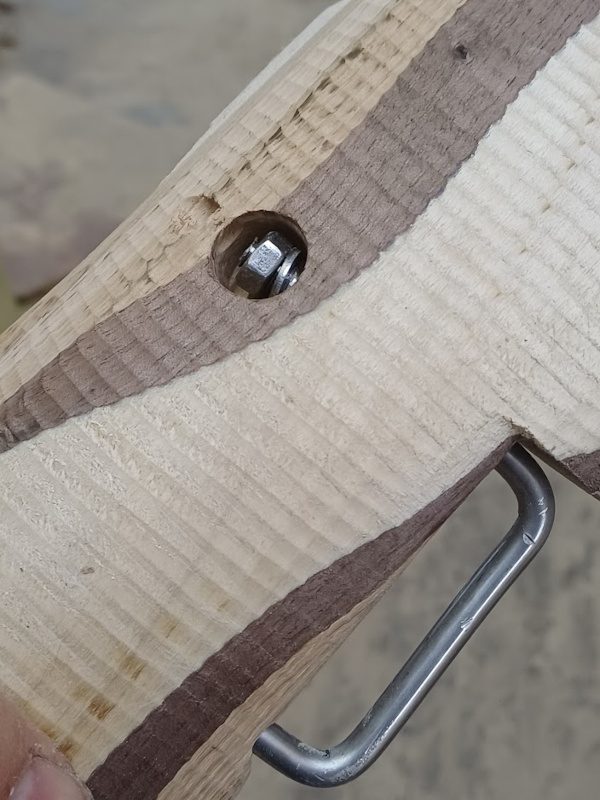
- Stirrup Attachment: Unlike a traditional western tree, the stirrup leather slots have been omitted. Instead, I replaced them with stainless steel stirrup bars anchored right into the center of the material, ensuring the strength of the bars is completely uncompromised.
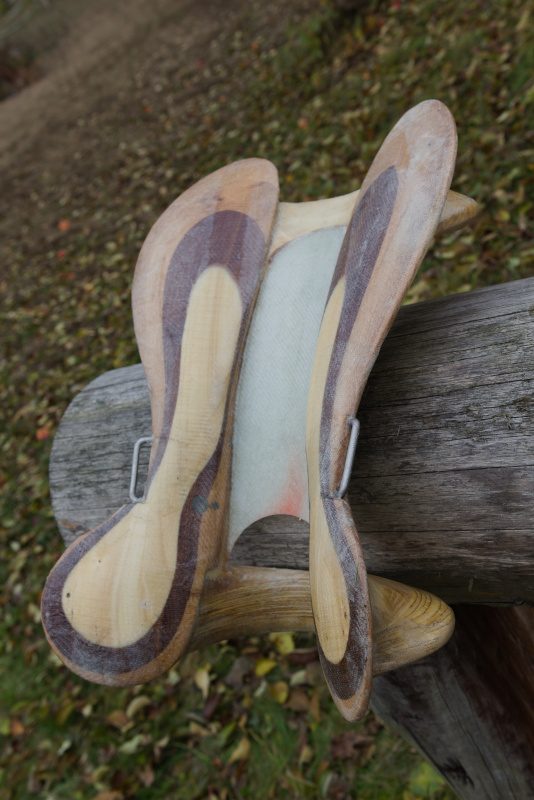
- Material Reinforcement: The bars are laminated from thick wood layers (plies), where the four center plies are made of hardwood (oak, beech, ash) – a deliberate upgrade from my standard, purely poplar production. This significantly reinforces the entire structure, making it substantially stronger than trees typically used for heavy roping.
- Swell and Cantle Geometry: The fork is inspired by the Australian stock saddle, but it is overall narrower and features a continuous, ergonomic shape. It is more slender in the upper section, which is why its center is laminated from multi-layered plywood to ensure equal, multi-directional strength. The cantle is intentionally lower so it does not interfere with the officer's duty belt, sidearm, or tactical gear.
- Vacuum Monolith: The final reinforcement is made of a 390 g/m² fiberglass cloth saturated with resin using vacuum infusion technology. The entire tree, all layers of the fabric, including the integrated fiberglass ground seat, are infused in a single step. This creates a seamless, monolithic surface completely free of weak mechanical joints.
The resulting shape is clean and streamlined, without any screws, nails, or protruding elements. In designated areas where gear attachment is anticipated, the tree is pre-engineered and ready to be fitted with recessed stainless steel nuts for secure anchoring of specialized tactical equipment.
From Police Duty to Bushcraft
This saddle tree is a prototype. I anticipate that it will spark a professional debate and bring forward new requirements, which we will be more than happy to accommodate in our workshop.
Although this project of mine was inspired by mounted police duties, we are well aware that rugged military and tactical gear has also found a strong following among outdoor, military, and bushcraft enthusiasts. Therefore, we are fully prepared to adapt this design for recreational and expedition riding as well. It is built for trail riders who do not care about strict categories like "western" or "english", but simply demand absolute reliability and comfort during long hours out in the fresh air.
Tomáš Venc, Chotěboř, CZ